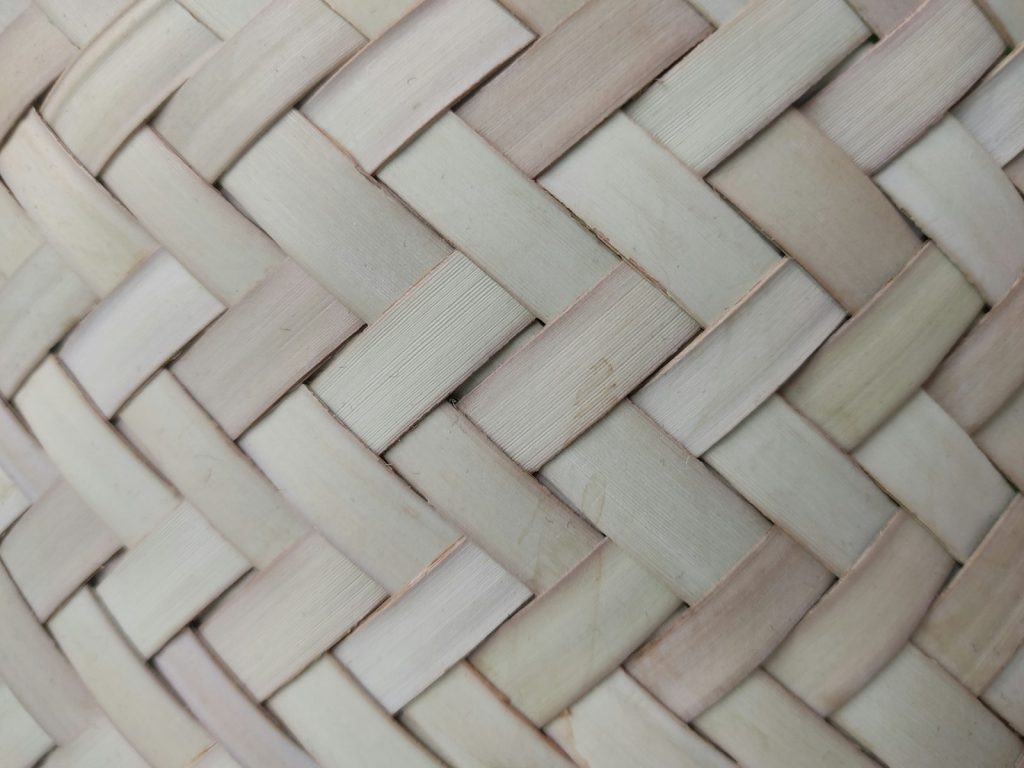
Honest buyer note: Our lamps are handwoven by village artisans in Bali and Java, so expect natural colour variation and a size tolerance of roughly ±1–3 cm on larger shades. All prices, MOQs, lead times and container counts are indicative ranges (2024–2025, FOB Indonesia) and final pricing is by quote. Standard wiring is E27 at 220–240 V; we can supply CE-compliant wiring or shade-only (no electrics) so you meet UL/UKCA or local standards in your market — we don’t imply certification we don’t hold. Natural fibre is moisture-sensitive, so we dry, treat and pack appropriately and recommend acclimatisation on arrival. Rattan is generally not CITES-listed. We coordinate vetted workshops and handle export documentation.
The rattan lamp sampling process is the step‑by‑step path from your initial design brief to approved physical samples that are ready to scale into bulk production. For serious buyers, a clear sampling workflow helps control rattan lamp prototype cost, manage risk on quality and timing, and avoid surprises once containers start sailing.
What “sampling” really means for rattan lighting
In Bali and Java, “sample rattan lighting” usually covers three different situations:
- Catalogue sample – an existing Bali Rattan Lamps design, made to your chosen size/finish.
- Modified design – an existing shape with changes to dimensions, weave pattern, or color.
- Full OEM/custom – a new design based on your drawing, reference photo, or moodboard.
Each has a different complexity, prototype cost range and lead time. The more new the design, the more back‑and‑forth you should expect on structure, weaving, frame engineering and finish.
Most professional buyers budget for at least two sample rounds:
- First round: check basic scale, weave, color, material quality and wiring/shade specs.
- Second round: fine‑tune details and confirm “golden sample” for bulk production.
Step‑by‑step: the rattan lamp sampling process
1. Initial brief: what your supplier actually needs
A precise brief saves time and prototype cost. For handwoven pendant, floor and table lamps, you should provide:
- Type: pendant / ceiling shade, table lamp, floor lamp, wall lamp.
- Dimensions: diameter, height, and for pendants, target cord length.
- Weave style: open lattice, tight basket weave, webbed cane, kubu grey, peeled rattan, etc.
- Color/finish: natural clear, warm honey, dark wash, painted or stained.
- Usage: indoor, covered outdoor, or full outdoor (with clear risk disclosure on rattan and moisture).
- Wiring expectations:
- Shade‑only (no electrics) for local wiring/UL assembly, or
- E27, 220–240V sets for EU/AU/UK use (we can support CE‑oriented setups; UL listing is buyer’s responsibility in North America).
- Target FOB price band (e.g. “most pendants need to land in the USD X–Y FOB range”).
- Brand/retail positioning: value, mid, or premium craft so we match appropriate material grade and weave density.
Reference photos or sketches (even rough) are extremely helpful. For complex or sculptural shapes, expect our team to propose a welded wire or metal frame from Java (commonly Cirebon) underneath the rattan.
2. Feasibility & indicative FOB pricing
Once we understand the brief, we check:
- Material fit: which rattan type (kubu, manau, peel, core) from Kalimantan/Sulawesi suits the form.
- Frame needs: free‑form weaving vs. welded frame vs. simple bamboo rings.
- Risk points: tight curves, very open weaves, oversized domes >60–70 cm, or very fine peel that may increase breakage.
We then send an indicative range of 2024–2025 FOB prices by quote for the sample and projected bulk orders. These are not fixed list prices; they are working bands based on:
- Size and rattan usage per piece.
- Weave time (hours per lamp for an experienced artisan).
- Finishing steps (color wash, clear coat, hardware, packing spec).
For example (illustrative, last verified June 2026, always reconfirm by RFQ):
- Small pendants (≈25–30 cm Ø): may land in a lower FOB band per piece at scale.
- Medium pendants (≈35–45 cm Ø): mid‑band FOB per piece depending on weave complexity.
- Oversized pendants (≥60 cm Ø) or complex frames: higher FOB band due to more frame steel and weaving time.
If your target retail and landed cost structure cannot work with the projected FOB band, it’s better to adjust sizing, weave density, or accessories at this stage rather than after prototyping.
3. Sample quotation: what’s included in rattan lamp prototype cost
A proper sample quote usually breaks out:
- Sample unit charge – per sample piece (higher than bulk FOB due to setup and low volume).
- Any frame/tooling charge – especially for new welded frames or jigs.
- Finishing options – color test ups, stains, or different clear coats.
- Packing spec – simple export carton vs. mailer‑ready packaging, if required.
- Estimated sample lead time – more detail below.
- Ex‑factory or FOB point – typically FOB Surabaya or FOB Benoa (Bali) as per project.
Rattan lamp prototype cost is normally non‑refundable, but many buyers treat it as part of their product development budget. On larger programmes, some suppliers may credit a portion of sample cost against the first bulk PO; that is negotiated case by case.
4. Sampling lead times: how long things really take
Indicative 2024–2025 sample lead times (for planning, to be confirmed per RFQ):
- Existing catalogue design, small tweaks: around 2–4 weeks production time, after confirmation and deposit.
- New size/variation of existing design: roughly 4–6 weeks including frame adjustment if needed.
- Full custom/OEM: often 6–8 weeks, sometimes longer if frame engineering or multiple weave trials are required.
Seasonality matters. Pre‑Christmas and pre‑summer export peaks (for US/EU) can stretch timelines. Always build in buffer before trade shows or range launches.
If you have a firm project timeline, share it early. At the sampling stage we can usually flex artisan allocation and batch planning more easily than once containers are booked.
5. Deposits and payment for sample rattan lighting
Standard commercial practice for export‑grade rattan lamps:
- Samples: 100% payment before production or before dispatch, typically by bank transfer or card via invoice link.
- Bulk orders: commonly 30% deposit on order confirmation, 70% balance before shipment after QC, against photos or inspection report.
For new accounts, KYC checks and clear company details help us release samples faster and keep compliance aligned with banking and export documentation requirements.
What you should check on your rattan lamp samples
When your sample rattan lighting arrives, the product development and buying teams should check four areas in detail: construction, finish, functional performance and packing.
1. Structure & weave
- Overall dimensions: measure diameter and height vs. the agreed spec; handmade variance of a few millimetres is normal, but we aim for consistency across a batch.
- Symmetry: for domes and drums, check silhouette from side and below; handmade weaving may not be laser‑perfect, but it should sit visually balanced.
- Frame integrity: lightly twist and press the frame, especially on large pendants ≥60 cm Ø; there should be no obvious flex or creak.
- Weave tension: no gaping holes, no overly tight bands that look like they will snap when exposed to humidity swings.
2. Color, moisture and finish
Rattan is a natural, hygroscopic material. Honest expectations:
- Color tone may vary slightly between pieces and batches; we can work with photographic or physical color standards to narrow the range, but never to zero.
- Moisture and mould risk: if rattan is packed before fully dry or stored in humid, unventilated spaces, surface mould can develop. We work with kiln‑drying, air‑drying and silica packs, but:
- Buyers should plan for dry storage conditions at destination.
- No supplier can guarantee “zero risk” of mould on natural rattan; we can only manage and reduce it.
- Finish durability: run a clean white cloth over stained or painted surfaces; excessive color rub‑off suggests finish adjustments are needed.
If you need enhanced moisture protection, we may suggest tighter QC, extended drying, desiccant packs, and more breathable packing; each has a cost and lead time impact that we can quote.
3. Light performance and wiring
For pendants and table/floor lamps:
- Light pattern: test at night; open weaves give strong shadow play, tight weaves give softer diffusion. Record your preference for the final spec.
- Bulb access: ensure standard bulb shapes fit easily through bottom/top apertures.
- Heat clearance: maintain safe distance between bulb and rattan; we generally advise LED usage because of lower heat output.
On wiring certification, clarity is essential:
- E27, 220–240V sets: for EU/UK/AU, we can supply wiring aligned with CE expectations, but we do not market ourselves as a notified body or issuer of CE marks. Labelling and final conformity assessment remain with the importer.
- US/Canada (UL/ETL): most buyers import shade‑only (no electrics) and do local UL/ETL‑listed assemblies. Any UL listing is managed and paid directly by the buyer with their NRTL.
Being realistic early avoids shipments getting blocked at customs or failing retailer technical checks.
4. Packing, labeling and carton sizes
For sampling, cartons are often “quick‑fit.” Before bulk orders, you should define:
- Single or multi‑pack: wholesale bulk packing vs. e‑commerce/mail‑ready boxes.
- Carton dimensions and how many pieces per carton.
- Labelling: barcodes, importer details, recycling/waste marks, country of origin.
- Protection: paper, cardboard spacers, limited plastics as required; we avoid grand sustainability claims and specify actual materials used.
If your brand has packaging guidelines, share them before final sample sign‑off so we can cost and test properly.
At any point in this process, you can plan your trip via email or WhatsApp to review samples in Bali or virtually. Direct factory‑level conversations at the sampling stage often save months later in the programme.
Key specifications: HS codes, MOQs and container loading for rattan lamps
Below is a concise reference set of trade‑level facts buyers often ask for. Always confirm details per product and destination with your freight forwarder and customs broker.
| Item | Typical Range / Detail (2024–2025, for guidance only) |
|---|---|
| Primary HS code (rattan lampshades) | Commonly classified under “lighting fittings of other materials” or “basketware of rattan”; correct HS depends on wiring and construction, to be confirmed per item and destination. |
| Origin | Manufactured in Bali and Java (incl. Cirebon), with rattan raw material widely sourced from regions such as Kalimantan and Sulawesi. |
| CITES status | Rattan species used for lamps are generally not CITES‑listed; CITES permits are usually not required, but importers must still check current regulations. |
| Indicative MOQ – pendant lamps | Often 30–100 pcs per model/size/color for mass production, depending on complexity and finishing. |
| Indicative MOQ – table/floor lamps | Commonly 50–100 pcs per model/finish once design is approved. |
| FOB price references | FOB ranges are quoted project‑by‑project and vary by size, weave, color and hardware. Ranges shared are indicative only (last verified June 2026) and confirmed at RFQ stage. |
| Lead time – bulk production | After golden sample approval and deposit, roughly 8–12 weeks for most programmes; larger/complex collections may need longer. |
| Container loading – 20’ | Depending on mix and nesting, often several hundred medium pendants; exact counts depend on carton design and product volume. |
| Container loading – 40’ HQ | Frequently more than double a 20’, but constrained by volume (cbm) rather than weight; detailed loading plans are prepared per order. |
| Fumigation / ISPM‑15 | Heat treatment or fumigation required for any solid wood pallets/packing used; documentation supplied by the fumigation provider. |
| Phytosanitary certificates | Generally not required for processed rattan goods, but some destinations or specific HS codes may request them; advise at RFQ stage. |
Export logistics for sampled rattan lamps (US, EU, Australia)
Sampling logistics are a good dress rehearsal for your full programme. Here is how we typically move samples to major markets.
Shipping small sample batches
- Courier/air express (DHL, FedEx, UPS via your account or ours): fastest, more expensive per kg/vol.
- Air cargo: for larger sample consignments where speed still matters but you manage clearance at destination.
We prepare:
- Commercial invoice with clear HS codes and “SAMPLES – NO COMMERCIAL VALUE” or “SAMPLES – VALUE FOR CUSTOMS ONLY”, as appropriate.
- Packing list with net/gross weight and carton measures.
- Certificate of Origin if required by your customs or trade agreement.
Fumigation and phytosanitary
For finished rattan lamps:
- The products themselves are typically treated and dried; they are not raw logs or lumber.
- Fumigation or heat treatment is focused on wood pallets or wooden packing elements to comply with ISPM‑15. We can arrange this in Indonesia with a certified provider when needed.
- Phytosanitary certificates are not universally required for processed rattan but certain customs officers or specific HS uses may ask. Inform us early if your broker recommends one.
Compliance context by region
- United States:
- Most buyers import shade‑only units and do UL/ETL‑listed wiring domestically.
- Ensure Lacey Act declarations for plant products are properly filed; your customs broker will guide HS and declaration requirements.
- European Union / UK:
- If importing with wiring, the importer assumes responsibility for Low Voltage and EMC compliance; documentation from component suppliers can help support your technical file.
- Extended Producer Responsibility (WEEE, packaging, etc.) may apply depending on your market; factor this into your planning.
- Australia:
- Biosecurity is strict: declare rattan content accurately. Proper drying and clean packing reduce inspection issues.
- For wired products, check local electrical safety scheme requirements; many importers handle certification locally using shade‑only imports.
From golden sample to bulk order: what changes and what stays fixed
A realistic sampling process accepts that:
- Each lamp is handwoven; minor variation in weave line and color is normal.
- We control what matters commercially:
- Dimensions within agreed tolerance.
- Structural integrity and frame strength.
- Consistent color band and finish sheen.
- Safe clearances for bulbs and wiring spec.
Your golden sample sign‑off should document:
- Final drawing or measured spec sheet.
- Photos of the approved sample from multiple angles.
- Confirmations on:
- Weave style and density.
- Color and finish.
- Wiring or shade‑only status.
- Packing method and any labels or tags.
From there, we plan:
- Production schedule aligned with your requested ex‑factory or FOB date.
- QC plan (in‑house or third‑party inspection on AQL basis).
- Container packing plan (nested sets, carton orientation, container choice – 20’ vs 40’ HQ).
If you are also buying other Bali homewares, consolidating in one container can optimize your freight. This is discussed best once sample acceptance and SKU list are clear.
To discuss a specific project or see current FOB ranges and MOQs, you can plan your trip via email or WhatsApp. Share your brief, target markets and timelines, and we can map a realistic sampling and production path.
FAQs: rattan lamp sampling process
How many rattan lamp samples should I order before a bulk PO?
Most professional buyers order 1–3 samples per SKU in the first round, then 1 “golden sample” after adjustments. For large retail deployments, it is common to also run a small pilot batch (for example 20–50 pieces) in real‑world conditions before committing to full containers.
Can I get sample rattan lighting with my own brand labels and packaging?
Yes. If you share your artwork and packaging guidelines early, we can build your branding into the sampling process so you can test a fully branded unit. There may be additional setup and print/tooling charges, which are quoted case by case.
Do you provide wired samples for the US market?
We can technically assemble wired samples, but US and Canadian buyers usually import shade‑only units and attach UL/ETL‑listed wiring from their local partners. Any UL listing or NRTL work is arranged and paid directly by the importer; we do not represent wiring as UL‑listed from Indonesia.
What happens if the first rattan lamp sample is not what I expected?
Sampling is iterative. You send consolidated feedback (dimensions, weave, color, light pattern, packing), we adjust the design and provide an updated quotation if costs are affected. A second sample round is common, especially for new OEM pieces or complex weaves.
Are FOB prices for samples the same as for mass production?
No. Sample unit costs are typically higher than mass‑production FOB levels because of one‑off setup and low volume. Your quote will usually include separate lines for sample charges and projected FOB ranges at your target order quantity, so you can model landed cost and margins accurately.