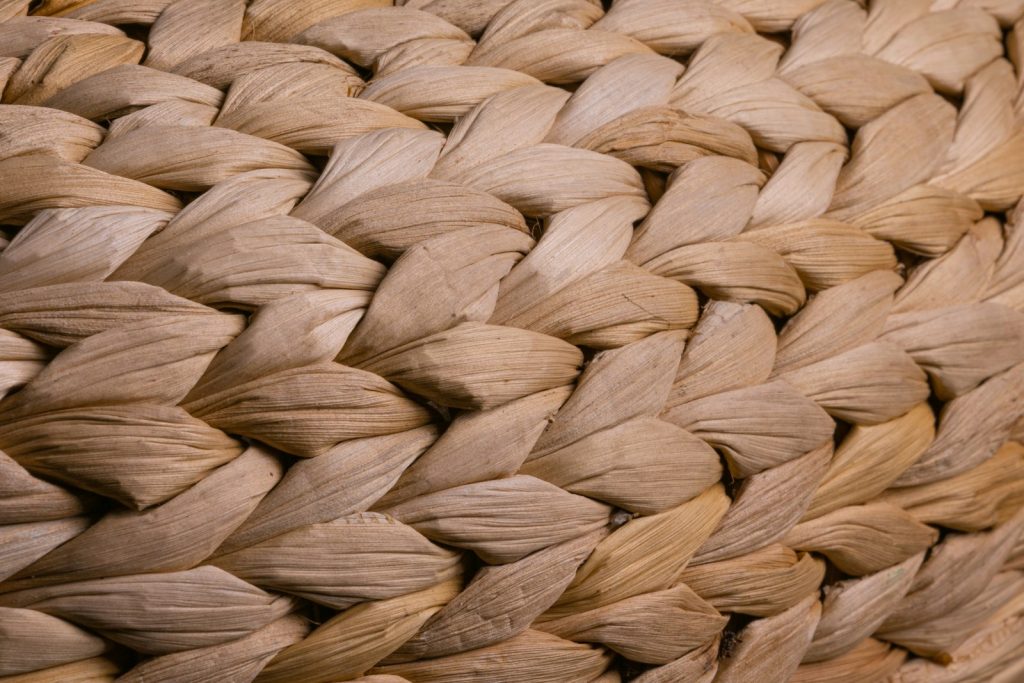
Honest buyer note: Our lamps are handwoven by village artisans in Bali and Java, so expect natural colour variation and a size tolerance of roughly ±1–3 cm on larger shades. All prices, MOQs, lead times and container counts are indicative ranges (2024–2025, FOB Indonesia) and final pricing is by quote. Standard wiring is E27 at 220–240 V; we can supply CE-compliant wiring or shade-only (no electrics) so you meet UL/UKCA or local standards in your market — we don’t imply certification we don’t hold. Natural fibre is moisture-sensitive, so we dry, treat and pack appropriately and recommend acclimatisation on arrival. Rattan is generally not CITES-listed. We coordinate vetted workshops and handle export documentation.
Rattan lamp care cleaning is simply the set of habits that keep a woven lamp safe, dry and looking good without damaging the natural fibers. For retail and end‑users, “good care” means: low‑moisture cleaning, strict moisture control in the room, and realistic expectations about color change and minor fraying over time.
What Rattan Lamps Are (And Why Care Matters)
Most “rattan lamps” on the market are made from a mix of natural materials:
– Natural rattan core, peel or split (Manau, Tohiti and similar species)
– Sometimes mixed with bamboo, seagrass or abaca
– Hand‑woven in Bali and Java (Cirebon) using raw rattan from Kalimantan and Sulawesi
– Finished clear, lightly tinted, or colored with water‑based stains or PU coatings
This construction is lightweight and beautiful, but also:
– Hygroscopic – rattan absorbs and releases moisture
– Slightly rough – catches dust and cobwebs
– Sensitive to harsh detergents and soaking
For retailers, how your customers clean a rattan lamp will determine:
– Return rates (mould, broken strands, deformed shades)
– Review quality (expectation vs. reality for handmade products)
– Warranty claims (discoloration from steam, cracking from over‑dry environments)
For end‑users, good care keeps the lamp in shape for 5–10+ years instead of 1–2.
Core Principles of Rattan Lamp Care & Cleaning
You don’t need complicated products. You do need to follow a few non‑negotiables:
1. Keep it dry
– No soaking, no pressure washing, no long contact with wet cloths.
– Rattan can swell, deform, and encourage mould growth if it stays damp.
2. Use soft tools only
– Microfiber cloth, soft natural‑bristle brush, or low‑suction vacuum with a brush head.
– Hard brushes and scouring sponges can break the fibers.
3. Avoid harsh chemicals
– No bleach, no strong solvents, no aggressive “multi‑purpose” sprays directly on the weave.
– Neutral pH or mild soap solutions in minimal quantity are fine.
4. Control the room climate
– Ideal indoor relative humidity: roughly 45–60%.
– Avoid placing rattan lamps directly under air‑conditioner outlets, dehumidifier exhausts or steam from kettles/showers.
5. Accept natural variation
– Slight color change, hairline fibers, and tiny gaps are normal with hand‑woven natural products.
– Over‑cleaning to “fix” these can cause more damage than the original imperfection.
Daily & Weekly Routines: How to Clean a Rattan Lamp Shade Safely
For most homes and hospitality projects, a simple routine is enough to clean a rattan lamp shade.
1. Weekly Dusting (Retail & Home)
For pendant, floor and table lamps:
1. Turn off the power
– Switch off the lamp and let the bulb cool before touching the shade.
2. Dry dust first
– Use a microfiber duster or a very soft brush.
– Work from top to bottom, following the weave direction, especially on open‑weave pendants.
3. Vacuum if needed
– Use a vacuum with a soft brush attachment.
– Low suction, and keep a few centimeters away from very open or delicate weaves to avoid pulling strands out of shape.
This is usually enough to maintain a woven lamp in living rooms, bedrooms and most hospitality spaces.
2. Monthly Light Cleaning
For accumulated dust or light marks:
1. Prepare a mild solution:
– A few drops of gentle dish soap in a bowl of lukewarm water.
– Avoid scented products with strong solvents or degreasers.
2. Barely damp cloth:
– Dip a microfiber cloth, then wring it out until it feels almost dry.
– You want *moist*, not wet.
3. Wipe gently:
– Wipe along the rattan strands, not across them.
– Avoid scrubbing—this can “fuzz” the fibers.
4. Dry immediately:
– Follow with a dry microfiber cloth.
– Make sure no moisture is trapped in tight weave intersections or inside double‑layer shades.
3. Retail Display Maintenance
In showrooms and lighting stores, rattan shades often sit under strong lights and in high‑traffic, dusty environments. To maintain woven lamp displays:
– Increase dusting frequency to 2–3 times per week.
– Rotate display pieces away from direct sun or window hotspots to reduce uneven color change.
– Use clean gloves when repositioning to avoid hand oils building up on touch points (rim edges, necks).
Spot Cleaning: Stains, Grease and Mould
Sometimes “clean rattan lamp shade” means dealing with something more specific than dust.
Food & Grease Splashes
Common in dining areas and over kitchen islands:
1. Gently remove surface residue with a dry cloth or paper towel.
2. Use a mild soap solution (as above) on a barely damp cloth.
3. Dab, do not rub aggressively.
4. Wipe with a second cloth dampened in plain water to remove soap.
5. Dry thoroughly with a clean, dry cloth and good air circulation.
Avoid oil‑based polishes or furniture sprays on lamps. They can attract dust and create patchy shine.
Water Marks & Rings
On table lamp bases or lower parts of floor lamps:
– Light marks often fade as the rattan re‑equilibrates moisture if the room is stable.
– For visible rings, use the same mild soap approach, then dry extra carefully.
– Do not use hairdryers or heat guns to “speed dry”—local overheating can crack fibers or distort glue joints.
Mould & Mildew
If a lamp has been in a damp space (storage, coastal properties without dehumidification), mould can appear as dark spotting or fuzzy patches.
Steps:
1. Move the lamp to a dry, well‑ventilated area.
2. Wear a mask if you are sensitive to spores.
3. Use a soft dry brush or vacuum with HEPA filtration to remove loose growth.
4. Lightly wipe with a cloth slightly dampened in a mix of:
– ~70% water, 30% white vinegar — test first on a small, hidden area.
5. Wipe back with a cloth dampened only with water.
6. Allow to dry completely in moving air, out of direct harsh sun.
If mould smell or stains persist, the problem is usually room humidity, not just the lamp. Dehumidification or improved ventilation is essential—otherwise mould will recur on rattan, walls and textiles.
Placement, Humidity and Long‑Term Maintenance
A big part of “maintain woven lamp” is choosing the right environment.
Ideal Indoor Conditions
– Relative humidity: ~45–60% is comfortable for both people and rattan.
– Temperature: typical indoor 20–28°C is fine; extremes accelerate aging.
– Air movement: mild cross‑ventilation or periodic fan use helps keep moisture from settling into fibers.
High‑Risk Locations
For long‑term durability, avoid:
– Direct exposure to rain or outdoor weather (unless explicitly specified as outdoor‑ready and well‑sealed).
– Directly above stovetops or close to kettles, rice cookers, or humidifiers.
– Bathrooms without extraction fans.
– Directly under AC outlets or heaters—extreme local drying can cause cracking.
Rattan lamps can be used in coastal and tropical environments, but indoor humidity management matters. In Bali and across Indonesia, we kiln‑dry rattan and manage moisture closely before export; once the lamp reaches your warehouse or home, the local climate takes over.
Color Change and Patina
Natural rattan will warm and darken slightly over time, especially with UV exposure. This is not a defect; it is a normal patina.
To minimize uneven color change:
– Avoid half‑shaded placements where one side gets direct sun and the other does not.
– For hospitality or multi‑lamp projects, rotate positions periodically if precise uniformity matters.
Care Differences: Clear, Stained and Painted Finishes
Retailers often ask us whether different finishes change rattan lamp care cleaning recommendations. The basics stay the same—keep it dry, clean gently—but finishes do affect sensitivity.
| Finish Type | Typical Use | Care Notes |
|---|---|---|
| Clear / Natural | Scandinavian, coastal, organic interiors | Least sensitive to light cleaning; color will warm over time; avoid strong sunlight for strict color matching. |
| Light Stain (water-based) | Beige, honey, light brown looks | Use very mild soap only; excessive rubbing can lighten high spots in the weave. |
| Dark Stain / PU Topcoat | Hotel & restaurant, high-traffic projects | Better stain resistance; still avoid harsh chemicals; any deep scratches show more on dark colors. |
| Painted (white, black, color) | Design-specific or retail collection themes | Most sensitive to chipping; no abrasive cloths; do not use alcohol-based cleaners directly on paint. |
For professional projects (hotels, F&B, retail chains), we can discuss finishing systems matched to your cleaning protocols—e.g., slightly more sealed surfaces for heavy use—but rattan will always be a natural, non‑plastic material with limits.
Wired vs. Shade‑Only: Cleaning Around Electrical Parts
From a materials and QC perspective, cleaning around wiring is as important as cleaning the weave itself.
– Our standard pendants are supplied wired for E27/220–240V with CE‑oriented components, or as shade‑only for markets that require local UL wiring.
– For North America, many buyers prefer shade‑only and have UL wiring fitted locally; others specify UL‑listed kits and handle certification on their side.
Basic safety rules for all end‑users:
– Always switch off and unplug table and floor lamps before cleaning.
– For pendants, switch off at the breaker if you need to remove the shade.
– Never spray cleaners directly onto lampholders, cables or ceiling cups.
– Do not submerge any wired part in water.
Retailers: these points are worth including on your own care cards to reduce avoidable damage and liability.
If you are planning a range and need advice on wired vs. shade‑only for specific markets, we can walk through it over WhatsApp—feel free to plan your trip from first sketch to packing list.
Handmade Reality: Variance, Fraying and Repairs
As Materials & QC, I see every production batch in Bali and Cirebon. A few honest realities:
– Size tolerance: Hand‑woven shades usually carry a ±1–2 cm tolerance on diameter/height, depending on the pattern.
– Color tolerance: Natural color and stain uptake vary by batch and by rattan lot.
– Fiber ends: Small “hair” fibers and trimmed ends will appear, especially in open, airy weaves.
These do not affect function or safety. Over‑aggressive cleaning to “perfect” the surface often causes:
– Broken strands
– Deformed rims
– Visible polish differences between spots
For minor fraying at home:
– Trim loose hairs carefully with fine scissors, close to the surface, without cutting main structural strands.
– Don’t pull fibers out with force; it can unzip a section of weave.
For structural damage (broken ribs, collapsed section):
– Lamps can sometimes be repaired by a skilled local weaver or by returning them to a workshop, but many markets lack this craft.
– For retailers, keeping a small overage in stock (2–5% of project volume) helps cover transit or customer‑damaged pieces without production delays.
Storage, Shipping and Warehouse Care (For Retailers & Projects)
Good care starts before the lamp ever reaches the end‑user.
Drying and Moisture at Origin
In Indonesia we:
– Source raw rattan mainly from Kalimantan and Sulawesi.
– Pre‑dry and kiln‑dry to reach a safe moisture content before weaving.
– Re‑check and re‑dry as needed after weaving, especially during the wet season.
This reduces—but does not eliminate—the risk of mould if goods are later stored in damp conditions.
FOB Ranges, MOQs and Container Loading
For context on wholesale ordering and how care intersects with logistics:
- Typical FOB Lamp Price Range (2024–2025, by quote)
- Approx. FOB Indonesia USD 8–40 per piece for most hand‑woven rattan pendants, floor and table lamps, depending on size, complexity and finish (last verified June 2026).
- MOQ
- Often ~50–100 pcs per model/size/color for standard catalog items; custom OEM designs can require higher MOQs depending on tooling and weaving complexity.
- Container Loads
- A 20ft container commonly carries ~350–800 medium pendant lamps, or fewer if large statement pieces dominate; a 40ft HC can carry proportionally more (exact counts depend on nesting efficiency, protective packing and mixed SKUs).
- HS Codes
- Most rattan lamps ship under HS 9405 (lighting) or a combination with 4602 (baskets and wickerwork) depending on shade‑only vs. fully wired configurations and buyer’s customs classification.
Good packing and shipping practices directly affect rattan lamp care:
– Nesting & stacking: Protect rims and high‑stress points to prevent deformation, especially for large domes and bells.
– Desiccants: Use in cartons and containers for long sea routes or humid seasons.
– Warehouse climate: Aim for similar 45–60% RH; avoid storing on damp floors or against external warehouse walls.
Outdoor and Semi‑Outdoor Use: Expectations vs. Reality
Rattan is a natural material and, in most cases, not designed as a fully outdoor, all‑weather product.
– Covered terraces and verandas: Usually acceptable if protected from direct rain and with good airflow. Expect faster color change and more frequent cleaning.
– Fully exposed outdoor use: Not recommended for long‑term durability; water, UV and fungal growth will degrade the fibers faster.
If your project absolutely needs an outdoor look, we can discuss synthetic “rattan‑look” options or mixed constructions, but those fall outside pure natural rattan care and cleaning.
How Retailers Can Communicate Rattan Care to Customers
Good pre‑sale information reduces after‑sale problems. Consider:
– Care cards or swing tags
– Bullet points on dusting, moisture, and “no soaking or harsh chemicals.”
– Honest product description
– “Hand‑woven natural rattan; expect minor variation in color and dimensions” is better than over‑promising perfection.
– Placement advice
– Short note: “Indoor use only; keep dry; avoid bathrooms and fully exposed outdoor locations.”
If you’re building a private‑label rattan lighting line and want us to print or co‑develop care instructions aligned with your brand, we can integrate that into OEM projects. Reach out to plan your trip from sampling, testing, moisture checks, to final packaging—WhatsApp coordination is standard in our workflow.
FAQ: Rattan Lamp Care & Cleaning
Can I use a damp cloth to clean a rattan lamp?
Yes, but the cloth should be only lightly damp, not wet. Wipe gently along the weave with a mild soap solution if needed, then dry immediately with a clean, dry cloth so no moisture remains trapped in the fibers.
Is it safe to vacuum a rattan lamp shade?
It is safe if you use a soft brush attachment and low suction. Keep a little distance from very open or delicate weaves to avoid pulling strands out of place, and always turn the lamp off before cleaning.
How do I remove mould from a rattan lamp?
Move the lamp to a dry, ventilated area, brush or vacuum off loose growth, then lightly wipe with a cloth dampened with a mild water–vinegar mix, followed by a water-only wipe and thorough drying. You must also address room humidity or mould will return.
Can rattan lamps be used in bathrooms?
We generally do not recommend natural rattan in bathrooms without strong extraction and humidity control, as repeated steam exposure increases the risk of mould and deformation. If used, keep it in the driest, best-ventilated part of the room and monitor closely.
Are rattan lamps OK for outdoor use?
Natural rattan lamps are intended for indoor or well-covered areas only. On covered terraces they can work if protected from direct rain and with good airflow, but fully exposed outdoor use will shorten their lifespan significantly.