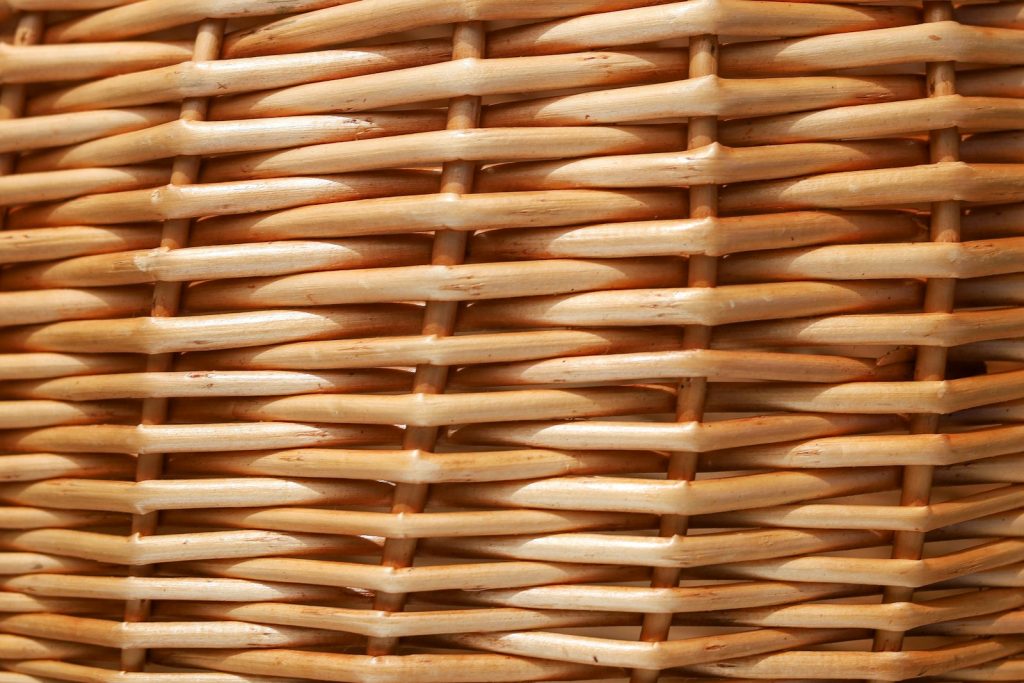
Honest buyer note: Our lamps are handwoven by village artisans in Bali and Java, so expect natural colour variation and a size tolerance of roughly ±1–3 cm on larger shades. All prices, MOQs, lead times and container counts are indicative ranges (2024–2025, FOB Indonesia) and final pricing is by quote. Standard wiring is E27 at 220–240 V; we can supply CE-compliant wiring or shade-only (no electrics) so you meet UL/UKCA or local standards in your market — we don’t imply certification we don’t hold. Natural fibre is moisture-sensitive, so we dry, treat and pack appropriately and recommend acclimatisation on arrival. Rattan is generally not CITES-listed. We coordinate vetted workshops and handle export documentation.
Importing rattan lamps to USA means buying handwoven pendant, floor, and table shades or complete lamps from overseas manufacturers, then clearing them into a US port under the correct HS codes, safety and customs rules. For importers of home décor and lighting, importing rattan lamps to USA from Indonesia is usually about balancing FOB price, duty rates, wiring compliance, moisture risk, and container efficiency.
What “importing rattan lamps to USA” actually involves
In practical B2B terms, you are arranging:
– Product specification (size, weave, finish, wiring or shade-only)
– Commercial terms (FOB port, MOQ, deposit, lead time)
– Export paperwork from Indonesia
– Ocean freight and insurance (your side under FOB)
– US customs clearance, duties and local delivery
At Bali Rattan Lamps we ship handwoven rattan pendant, floor and table lamps from Bali and Java (Cirebon), using raw rattan typically harvested in Kalimantan and Sulawesi. The focus here is honest, trade-level detail for US importers: FOB ranges, HS codes, duty, moisture and mould risk, and wiring realities including ul rattan lamp usa requirements.
Product scope: what you can import as “rattan lamps”
For the US, “rattan lamps” generally falls into three B2B product buckets:
1. Rattan lamp shades only (no electrics)
Most volume from Indonesia to USA is shade-only:
– Handwoven rattan pendant shades (open bottom, dome, bell, drum, cone, or organic shapes)
– Floor and table lamp shades built on a rattan frame
– Large cluster pendants for hospitality projects
Typical specs we see in US orders:
– Diameter: 20–60 cm for retail; 60–100+ cm for hospitality / commercial
– Height: 20–80 cm depending on style
– Materials: natural rattan peel, core, or kubu grey; sometimes combined with bamboo or iron skeletons
– Finish: natural, light wash, or water-based colour stains
Shade-only imports avoid wired-product safety issues and give US retailers flexibility to use their own UL-listed cordsets.
2. Complete rattan pendant lights with wiring
These are rattan shades exported with a fixed cordset and lampholder assembled:
– E27 holders, 220–240V systems standard in Indonesia
– CE-style cable sets often sourced for EU clients, but physically similar for shade + cord exports to USA
– US importers typically rewire or swap cordsets to UL-listed parts in the US
For ul rattan lamp usa requirements: in most cases, Indonesian factories are not UL-listed facilities. The safest and most common approach is:
– Import the rattan component as a “non-electrical” shade (even if a cord is included)
– Ensure all final wiring and plug sets in the US are UL-listed and assembled by a UL-recognized shop or under your internal QA procedures
3. Rattan floor and table lamps
These often combine:
– Rattan shade
– Rattan, wood or metal base
– Cable with inline switch
From Indonesia, they are usually wired to EU/Asia specs (E27, 220–240V). US buyers typically either:
– Import as base + shade, discard wiring, and rewire with US UL-listed components, or
– Ask for shade-only and source compatible bases in the US
Key facts at a glance: HS codes, duty, FOB ranges, MOQ & containers
Below is a condensed fact sheet based on our 2024–2025 operating ranges and public customs classifications. All pricing is FOB Indonesia, by quote, last verified June 2026, and will vary by design complexity, finish, and order volume.
| Parameter | Typical Range / Detail | Notes for USA imports |
|---|---|---|
| Typical HS code (shades) | 9405.10 / 9405.99 (lighting parts and fittings, non-electrical) | Exact code confirmed with your broker; shade-only often treated as parts |
| Typical HS code (complete lamps) | 9405.20 / 9405.40 (electrically operated lamps) | Depends on table/floor vs ceiling; check current US tariff schedule |
| US duty rattan lighting | Often in low single-digits % for non-electrical parts; can be higher for full lamps | Duty rates change; always confirm per HS with your customs broker |
| Indicative FOB range (small–medium pendant shades) | ≈ US$7–18 per piece | Plain natural rattan, 25–45 cm diameter, simple weave |
| Indicative FOB range (large pendants / complex weaves) | ≈ US$18–55+ per piece | Oversized, layered designs or very tight weaves |
| MOQ per design | ≈ 30–100 pcs per SKU | Lower MOQs possible with price impact; mixed-SKU containers welcome |
| Standard lead time | ≈ 6–10 weeks production after deposit | Peak season and custom tooling can extend timelines |
| 40′ HQ container capacity | Roughly 800–1,800 mixed pendant shades | Depends heavily on sizes, nesting efficiency, and packaging spec |
| Deposit terms | ≈ 30–50% advance, balance against documents | Standard for Indonesian home-décor exporters |
| Certifications | Typically CE-style wiring only, or shade-only | UL listing normally arranged by buyer in the US |
For a project-specific RFQ with updated ranges and load plans, you can plan your trip with us via email or WhatsApp; we’ll share a full wholesale catalogue and container simulations.
FOB pricing for rattan lamps (2024–2025 ranges)
All numbers below are indicative FOB Bali/Surabaya, by-quote, last verified June 2026. They are not fixed price lists.
Pendant lamp shades
– Small retail pendants (20–30 cm):
– Simple open weave, natural peel
– Indicative FOB: ~US$7–12 per piece at ≥100 pcs / SKU
– Medium pendants (35–45 cm):
– Dome, bell, or drum, standard weave
– Indicative FOB: ~US$10–18 per piece at ≥80 pcs / SKU
– Large feature pendants (50–80+ cm):
– Layered or closed weaves, heavy rattan consumption
– Indicative FOB: ~US$18–40+ per piece at ≥40–60 pcs / SKU
Cost drivers you should account for in landed price:
– Rattan thickness and quality grade
– Weaving complexity (tight “basket” weaves take far longer)
– Finish: natural is most efficient; colours and multi-step washes add labour
– Packaging spec: individual cartons vs nested in master boxes
Floor and table lamp bodies & shades
– Table lamp shades (25–35 cm):
– Plain weave, natural finish
– Indicative FOB: ~US$8–15 per piece (shade only)
– Floor lamp bodies + shade (unwired or basic wiring):
– Tall rattan frames, multi-part assemblies
– Indicative FOB: ~US$35–90+ per set depending on complexity and base materials
For US importers, many choose to import bodies and shades without wiring and then localize electrics domestically.
MOQ and assortment planning for the US market
Per-SKU MOQ
Typical MOQs in our category:
– Simple, repeatable pendant shade: ~80–100 pcs per SKU
– Large feature pendants: ~30–60 pcs per SKU
– Floor/table lamp sets: often 30–50 sets per SKU
For mixed-container US retail programmes, we often help clients:
– Select 6–20 core SKUs for volume
– Add smaller runs of “hero” designs for catalogue covers or launches
– Balance bulky items with more compact pieces to optimize CBM use
Balancing MOQ with container load
A frequent pain point for US buyers is hitting factory MOQ but underfilling containers. Trade-level options include:
– Grouping similar sizes for better nesting
– Phasing SKUs: repeat proven sellers in higher volume, trial new SKUs in smaller quantities
– Accepting slightly higher unit prices for low-MOQ introduction SKUs
We can run simple carton-count and CBM simulations for you—just send rough target assortment and US port of discharge via plan your trip and we can coordinate over WhatsApp.
Container loading: how many rattan lamps fit in a box?
Rattan is volumetric, not heavy. Your limiting factor is cubic metres (CBM), not weight.
Typical container types used for rattan lighting
– 20′ standard
– Rough volume: ~28 CBM net usable
– Suits first trials or smaller programmes
– 40′ standard
– Rough volume: ~58–60 CBM
– 40′ HQ (High Cube)
– Rough volume: ~68–72 CBM
– Most common for mature US programmes; extra height helps nesting tall shades
Approximate capacity for mixed pendant programs
Ballpark only—final counts depend entirely on product mix and packaging decisions:
– 20′ container
– Often ~300–700 mixed pendants (e.g., 30–60 cm shades)
– 40′ HQ container
– Often ~800–1,800 mixed pendants
– A load skewed to compact, nestable designs might exceed this, while a load of oversized 80–100 cm feature pendants will be lower
Key technical levers:
– Nesting strategy:
– 2–5 shades nested per master carton vs each in separate individual cartons
– Knock-down parts:
– Some floor lamps can ship with separate bases and shades, assembled in the US
– Packaging spec:
– Thicker cartons and full inner padding reduce CBM efficiency but lower damage risk
US duty on rattan lighting and HS code basics
US duty rattan lighting: what to expect
The actual rate you pay is driven by your customs broker’s HS classification. Typical scenarios:
– Shade-only, non-electrical parts
– Often classified under headings for lamp parts or non-electrical fittings
– Historically, duty percentages here are often in the low single digits for similar décor products, but you must confirm live rates
– Complete electrical lamps (table, floor, pendant)
– Classified under electrical lighting categories
– Duty can differ by lamp type (table, ceiling, etc.) and materials
Because US tariff rules can change, including any special measures, you should:
– Ask your customs broker to propose HS codes with written duty estimates
– Keep product specs, composition, and photos on file to support classification
– Treat any duty % you see online—this page included—as informational, not a legal or binding rate
Non-CITES status and timber legality
Most commercial rattan used in Indonesian lighting is:
– Not listed under CITES
– Typically harvested from Kalimantan and Sulawesi
That does not remove your obligations under broader US import rules and timber legality frameworks, but rattan lamps generally do not attract the documentation burden of CITES-listed hardwoods. For large US programmes, importers sometimes request additional supplier declarations on raw-material sourcing; we can support reasonable documentation requests backed by our own supply records.
Wiring, voltage and UL for rattan lamps in the USA
Voltage and lampholders
Standard practice in Indonesian factories:
– E27 lampholders
– 220–240V systems
– European-style or “CE-ready” cordsets for export when wiring is included
This does not automatically satisfy UL rattan lamp usa requirements.
How US buyers typically handle UL
Common approaches we see from US importers:
1. Shade-only strategy (most common)
– Import rattan as non-electrical shades
– Source UL-listed cordsets and lampholders domestically
– Assemble or kit the lamps in a UL-recognized facility or under internal compliance protocols
2. Component-level approach
– Purchase shades with placeholder wiring or no wiring
– Use pre-approved UL-listed lampholders and cables provided by your own US or global vendors
3. End-product UL in the USA
– For large chains or project work, arrange for final assembled luminaires to be UL-listed via US labs
We are transparent: we can supply E27 / 220–240V wired sets or shade-only. We do not present our internal wiring as UL-listed for the US. US importers are responsible for final compliance.
Moisture, mould and quality realities for rattan imports
Rattan is a plant-based, hygroscopic material. For any US-bound shipment—especially New York, Los Angeles, Houston, Savannah and other humid ports—you should factor moisture management into your logistics plan.
Key risks
– Moisture uptake in the factory during rainy season
– Condensation inside containers during long sea voyages
– Surface mould or odour development in transit
These are common across natural-fibre décor, not unique to any one factory.
Controls we apply (and limits)
Typical measures at production level:
– Kiln- or oven-drying of rattan cores and peels before weaving
– Ventilated storage and drying periods after weaving
– Water-based, breathable finishes (thick, impermeable coatings can trap moisture and create different risks)
– Use of desiccant packs and container ventilation options where appropriate
Nonetheless, product is handmade from natural material; minor colour variation, grain variation, and occasional small surface imperfections are normal. Serious mould outbreaks are rare but possible in extreme conditions, so:
– Build in inspection time on arrival at your US warehouse
– Consider a controlled acclimatization area for natural-fibre products
– Align your packaging spec with your climate and retail presentation needs
Handmade variance: what US buyers should expect
Each rattan lamp is handwoven. Even from the same production line, you should anticipate:
– Dimensional tolerance: ±1–2 cm is typical for diameter/height on mid-size shades
– Colour tone variation: especially with natural and “kubu grey” finishes
– Weave tightness: slight variation in pattern density from piece to piece
For large US roll-outs, we advise:
– Clear tolerance ranges documented in the purchase order
– Pre-production sample (PPS) approval as your reference standard
– AQL-based inspection before shipment, using realistic criteria for handmade goods
Export logistics from Indonesia to the USA
FOB terms and ports
Most shipments of rattan lighting from Indonesia to USA move FOB:
– Main loading ports:
– Surabaya (Tanjung Perak) for Java / Cirebon productions
– Sometimes Bali via feeder to major export ports
Under FOB:
– The supplier clears goods for export and delivers them to the vessel at the named port
– You (the buyer) arrange and pay:
– Ocean freight
– Marine insurance (if you choose)
– Destination port charges in the USA
– Customs clearance, duties, and inland trucking
Lead times and seasonality
Standard cycle for made-to-order rattan lighting:
– Sampling: ~2–4 weeks depending on complexity and revisions
– Bulk production: ~6–10 weeks after deposit and sample approval
– Ocean transit to US West Coast: roughly 3–5 weeks port-to-port under normal conditions
– Ocean transit to US East Coast: often 4–6+ weeks including transhipments
High season (pre-Q4) can lengthen both production and freight lead times. Build buffers into your PO calendar.
Fumigation and phytosanitary
Rattan is a plant-based product; you should be prepared for:
– ISPM 15-compliant pallets and wood packaging
– Fumigation or heat treatment requirements depending on destination port rules and carrier policies
For the USA:
– Many shipments of natural materials move with a fumigation certificate or treatment statement as a standard preventive measure
– Your freight forwarder or broker will advise if the current routing or port has specific requirements for rattan goods
We coordinate fumigation locally as needed and can provide the related certificates with your document set.
OEM, custom and branding for the US market
US buyers often want differentiated rattan lighting lines:
OEM / white-label
– You select from our existing weaves and shapes
– We apply your branding on labels, tag cards, and packaging
– Slight size or colour tweaks within existing tooling and jigs
Full custom
– You supply drawings, reference photos or 3D files
– We develop prototypes, refine weave techniques, and confirm construction
– Custom metal frames, mounting hardware, or mixed-material details possible
Lead times and MOQs for custom are usually higher than for standard catalogue pieces. Custom development timelines are best discussed against a specific brief; you can share those via plan your trip and we’ll follow up by email and WhatsApp with feasibility and target FOB ranges.
Practical steps for starting imports of rattan lamps to USA
A typical path for new US importers working with Bali Rattan Lamps:
1. Define product scope
– Retail, hospitality, e-commerce, or project-based?
– Shade-only vs complete lamps?
2. Request indicative FOB ranges and MOQ
– Share target sizes, styles, and expected order volumes
– We provide indicative 2024–2025 FOB ranges (by quote) and MOQ guidance
3. Sampling and testing
– Approve weaves, shapes, and finishes
– Test shades with your own UL-listed wiring sets in the US
4. Duty and HS confirmation
– Work with your customs broker to confirm HS codes and expected US duty rattan lighting rates
5. Container and shipping plan
– Decide on 20′, 40′ or 40′ HQ basis
– Align production schedules with your promotional calendar
6. Quality and inspection protocol
– Set dimensional, colour, and finish tolerances
– Agree inspection plan—factory QC, third-party, or your own agent
From first enquiry to first landed container, realistic lead time for a new programme can be 3–6 months, depending on how fast sampling, approvals and freight bookings move.
Ready to spec your first US shipment?
If you are scoping a new collection or project and need trade-level detail—FOB ranges by size, MOQ, HS-code scenarios, and container simulations—you can plan your trip with our team. Share your target SKUs, US port, and preferred WhatsApp contact; we’ll respond with a focused wholesale conversation, not retail fluff.
FAQs on importing rattan lamps to USA
Which HS code should I use for rattan lamp shades in the USA?
Most US importers classify rattan lamp shades without wiring as lighting parts or non-electrical fittings under HS headings in the 9405 range (for example 9405.10 or 9405.99). The exact 10-digit US code and duty rate must be confirmed with your customs broker based on your product description, materials, and use.
Do I need UL certification to sell rattan lamps in the USA?
For shade-only imports, UL certification is usually not required because there is no electrical component. For complete lamps (with wiring, lampholders and plugs), US retailers and inspectors often expect UL-listed components or UL-certified end products. Most Indonesian factories, including rattan workshops, are not UL facilities, so US importers usually handle ul rattan lamp usa compliance by sourcing UL-listed cordsets in the US and assembling or certifying locally.
What is the typical MOQ for rattan pendant lamps from Indonesia?
Typical MOQs are around 80–100 pieces per SKU for standard pendant shades and 30–60 pieces per SKU for large feature pendants. These numbers are flexible within reason; lower MOQs can be possible at higher FOB ranges or as part of a broader mixed-SKU container programme.
How many rattan lamp shades fit in a 40′ HQ container?
For mixed-size pendant programmes, a 40′ HQ container often holds roughly 800–1,800 shades, depending on diameters, heights, nesting strategy and packaging specifications. Exact counts require carton and CBM planning for your specific assortment.
Is rattan subject to CITES or special wildlife permits for US import?
Commercial rattan used in Indonesian lighting is generally not listed under CITES, so you typically do not need CITES permits. However, you must still comply with general US import and timber legality rules, and your customs broker may request standard documentation such as invoices, packing lists, fumigation certificates, and origin statements.