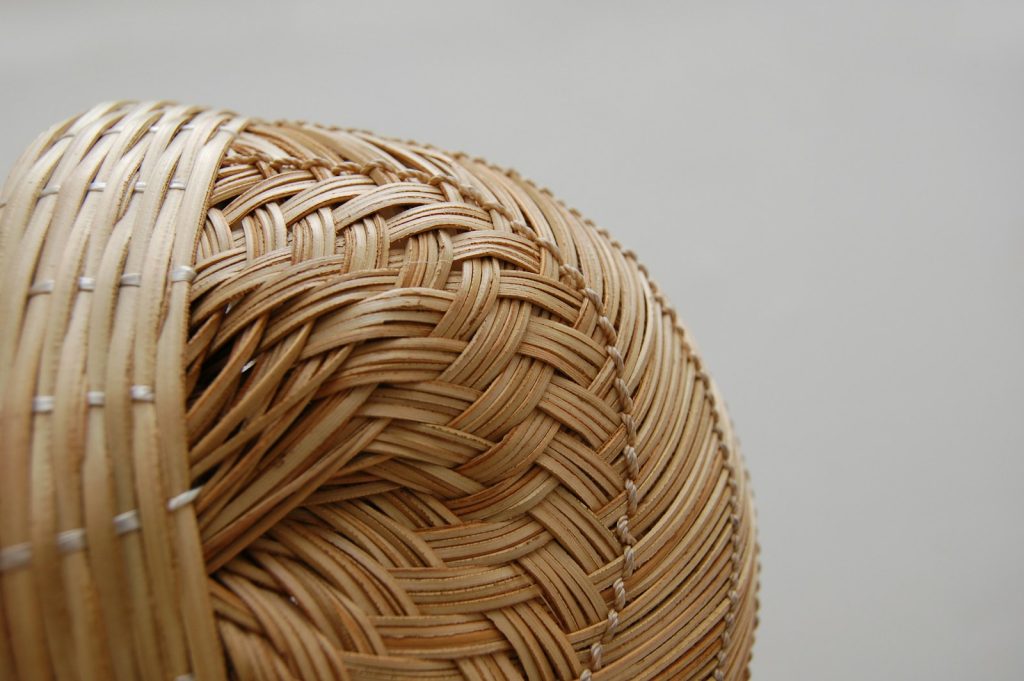
Honest buyer note: Our lamps are handwoven by village artisans in Bali and Java, so expect natural colour variation and a size tolerance of roughly ±1–3 cm on larger shades. All prices, MOQs, lead times and container counts are indicative ranges (2024–2025, FOB Indonesia) and final pricing is by quote. Standard wiring is E27 at 220–240 V; we can supply CE-compliant wiring or shade-only (no electrics) so you meet UL/UKCA or local standards in your market — we don’t imply certification we don’t hold. Natural fibre is moisture-sensitive, so we dry, treat and pack appropriately and recommend acclimatisation on arrival. Rattan is generally not CITES-listed. We coordinate vetted workshops and handle export documentation.
“CE vs UL rattan lamp certification” is really a question of which market you’re shipping to and who owns the electrical risk. CE wiring makes a rattan lamp legally saleable in the EU/UK (self-declared against EU directives), while UL/ETL listing is a separate North American safety mark that usually sits on the wiring kit or the finished luminaire, not on the rattan shade itself.
For buyers of handwoven rattan pendant, floor and table lamps out of Indonesia, the core decision is simple:
- Import CE-wired lamps for EU/UK and other 220–240 V markets, or
- Import shade-only and add your own UL/ETL-listed wiring kits in your destination warehouse for North America and Japan.
What CE and UL Actually Mean for Rattan Lighting
Quick definitions
- CE (Conformité Européenne): A self-declared conformity mark for the European Economic Area and UKCA-aligned markets. It means the product meets applicable EU safety directives and harmonised standards. For lighting, that usually means compliance with Low Voltage Directive, EMC and EN lighting standards.
- UL (Underwriters Laboratories, often via UL or ETL marks): A third-party safety certification scheme used mainly in the US and Canada. For luminaires it sits on the electrical assembly or the full fixture, backed by testing and ongoing factory inspections.
Rattan itself is a non-electrical decorative component. Certification is focused on:
- Lampholders, cables, plugs, canopy/ceiling cups
- Earthing/grounding and strain relief
- Heat management and distance from the shade
- Assembly quality and markings
So “are rattan lamps UL listed?” is often the wrong question. The accurate question is: Is the wiring set and completed luminaire UL/ETL evaluated, and is the rattan shade compatible with that set?
How CE Wiring Works for Indonesia-Made Rattan Lamps
Bali and Cirebon (West Java) exporters typically supply rattan pendant lamps in two wiring states:
- CE-oriented E27 wiring, 220–240 V
- Shade-only (no wiring)
Standard CE-oriented wiring from Bali/Cirebon
For most EU and UK buyers, we ship rattan pendants with “CE wiring pendant Indonesia” style sets that follow common EU specs:
- Voltage: 220–240 V
- Lampholder: E27, heat-resistant, usually rated for 60 W or 100 W max incandescent equivalent (LED strongly recommended)
- Cable: 2-core or 3-core round flex, PVC or textile-braided (by quote), typical length 1–2 m
- Canopy: Metal or powder-coated steel ceiling cup with strain relief
- Earthing: Provided when the metal parts require it under the standard
The CE mark for this wiring kit is usually on the lampholder or canopy, and the declaration of conformity is held by the component OEM or the Indonesian assembler. For volume OEM buyers, we align to your target standard (for example EN 60598) at quotation stage.
What CE does and does not guarantee
CE is not a magic “safe forever” badge. It relies on:
- Correct choice of certified electrical components
- Correct assembly and strain relief
- Respect for required creepage distances and temperature limits
- Traceable documentation
With natural rattan or bamboo, you also must consider:
- Minimum bulb distance from the shade to reduce heat build-up
- Bulb type: LED only is usually recommended to keep temperatures low
- Ventilation: open-weave designs run cooler than very tight basket-weave domes
We prototype with test rigs and thermocouples on representative samples. For very dense, dark-finish shades, we may recommend maximum wattage derating or small design changes (extra vent holes, larger bottom opening) before accepting bulk orders.
How UL / ETL Listing Relates to Rattan Lamps
UL listing of the wiring, not the fiber
UL/ETL marks in North America sit on:
- Individual wiring components (cord sets, lampholders, plugs)
- Complete luminaires assembled and tested under a certified program
Rattan shades imported from Indonesia are generally treated as a decorative, non-electrical enclosure. The usual pattern for US/Canada buyers is:
- Order shade-only from Indonesia (no socket, cord, or ceiling cup).
- In your domestic facility, assemble them with UL- or ETL-listed cord sets from approved suppliers.
- Either stay within the listing coverage of those kits or work with an NRTL to evaluate the completed product line as needed.
Most small and mid-size retailers do not pay to fully UL-list every rattan pendant SKU. Instead they rely on:
- Factory-supplied UL-listed cord sets, and
- Internal quality checks and clear bulb/wattage instructions
Large chains and lighting brands often do more formal compliance, and may request:
- Sample shades for fire retardancy or glow wire testing
- Material data sheets for water-based lacquers or topcoats
- Factory inspection access for their chosen labs
Can Indonesia export fully UL-listed rattan pendants?
Technically yes, but in practice this is project-based and cost sensitive:
- Requires UL/ETL engagement and periodic audits of the final-assembly line
- Requires using only registered components and documented production control
- Tends to make sense only at thousands of units per design per year
For most US/Canada buyers of Bali/Cirebon rattan lighting, shade-only import plus domestic wiring remains the most practical approach from both compliance and logistics points of view.
CE vs UL for Rattan Lamp Export: Side-by-Side
| Aspect | CE (EU / UK focus) | UL / ETL (US / Canada focus) |
|---|---|---|
| Legal nature | Self-declared conformity to EU directives and EN standards | Third-party safety certification and ongoing factory surveillance |
| Typical voltage | 220–240 V, E27 lampholder common | 120 V, E26 lampholder common |
| How it appears on rattan lamps | Marking on lampholder/canopy or rating label, declaration of conformity on file | Mark on cord set or lamp base; sometimes on complete luminaire label |
| Indonesia export pattern | Can supply CE-oriented E27 pendants for direct sale in EU/UK | Mostly shade-only; buyer adds UL/ETL wiring in destination country |
| MOQ impact | CE-oriented wiring viable from mixed MOQ around 50–100 pcs/style | UL-listed final assembly viable mainly for large OEM at 500+ pcs/style |
| Cost impact (2024–2025 FOB by-quote) | Wired CE pendant usually +US$1.20–3.50 over shade-only | Fully UL-listed lamp significantly more; shade-only exports avoid this |
Practical Buying Scenarios by Market
EU / UK buyers: CE-wired pendants from Indonesia
For EU/UK lighting retailers and hospitality projects, the standard flow is:
- Product spec: Decide diameters (commonly 30–60 cm for pendants), weave type (open diamond, closed basket, double-wall), and finish (natural, light brown, black, or two-tone).
- Wiring choice: CE-oriented E27 220–240 V pendant sets, with ceiling cup color matched to your brand (black/white/brass finishes most common).
- FOB pricing (2024–2025 ranges, by quote):
- Small pendants (≈25–30 cm): US$7–12 FOB Bali/Java, shade-only; add roughly US$1.20–2.00 for basic CE pendant wiring.
- Medium pendants (≈35–45 cm): US$10–18 FOB shade-only; add about US$1.50–2.50 for wiring.
- Large pendants (≈50–60 cm+): US$18–35 FOB shade-only; add around US$2.00–3.50 for wiring.
All ranges last verified June 2026 and confirmed again quote-by-quote based on raw material and freight conditions.
- MOQ:
- Mixed model MOQ from 50–100 pcs per shipment workable for many standard designs.
- Per-size or per-color MOQ typically 20–30 pcs/variant to keep weaving and finishing efficient.
- Lead times:
- Sample development: ~3–5 weeks including weave tests and finish approvals.
- Bulk production: ~8–12 weeks after deposit for 20 ft or 40 ft mixed loads, depending on season and drying capacity.
Midway through your range planning, if you need to align SKUs to specific EN standards or discuss your house-label, you can plan your trip via email or WhatsApp with our team and we’ll walk through lampholder specs, label texts, and wattage limits with your compliance team.
US / Canada buyers: Shade-only plus UL kits
For North America, the pattern is different:
- Import status: Rattan shades only, HS code generally aligned with “lighting fittings of vegetable materials” (exact code decided with your broker).
- Domestic assembly: Use UL- or ETL-listed cord sets and/or hardwire canopies sourced in the US/Canada.
- Labeling: Your in-house labels cover electrical data, warnings, and E26 bulb instructions.
Typical 2024–2025 FOB ranges, shade-only from Bali/Java (by quote):
- Table lamp shades (25–35 cm height): US$6–14
- Floor-lamp drum or basket shades (35–45 cm): US$10–20
- Statement pendants (60–90 cm diameter, large open weave): US$25–60
Again, these are broad bands last verified June 2026. Your actual quote depends on:
- Weave density (tight closed weave uses more rattan and labor)
- Color (black and color-wash require extra finishing steps)
- Nested packing efficiency (how many can be safely nested into each carton)
Japan, Australia, Middle East and hybrid markets
For Japan, Australia, and parts of the Middle East:
- Voltage and plug systems differ, and some importers prefer local rewiring to keep control over certification.
- Others accept CE-oriented E27 wiring and change plugs or use adapters under their own risk management.
In these cases we usually discuss three options at RFQ stage:
- CE-oriented E27 sets for 220–240 V, buyer adjusts plugs locally.
- Shade-only, buyer fully wires to their domestic standards.
- OEM wiring built to buyer’s specified cable and plug, with certification handled by the buyer’s local partner lab.
QC, Moisture, and Real-World Risks Behind “Certified” Lamps
Handmade variance and tolerances
Certification logos do not erase the realities of handwoven natural fibre:
- Size tolerance: On rattan pendants we work with ±1–2 cm on diameter/height for most SKUs; larger, more sculptural shapes can see slightly more variance.
- Color tolerance: Natural rattan from Kalimantan/Sulawesi varies from batch to batch. A “natural” finish in the first container and in a repeat order six months later will not be identical under lab light. We manage this with batching and photo approvals, not by promising Pantone-perfect matches.
- Weave variance: Small differences in rib spacing or cane thickness are normal. Our QC focuses on function and appearance: symmetry, even tension, no broken strands, and safe bulb clearance.
Moisture and mould risk in export rattan
Rattan and bamboo are hygroscopic. They move with humidity and can mould if packed too wet or stored poorly.
Our standard 2024–2025 precautions include:
- Pre-drying: Sun and kiln drying in Bali/Java to bring moisture to export-safe levels before weaving where possible.
- Resting and re-drying: Finished shades are rested, then checked and re-dried if ambient RH has spiked (rainy season risk).
- QC checks: Random moisture checks on representative pieces before packing, visual mould inspection at multiple stages.
- Packing: Use of desiccants and ventilated cartons where routes and seasons suggest higher risk.
No supplier can honestly promise “zero mould ever” in tropical exports, especially across long sea voyages and varied destination warehouses. What we can do is be transparent about seasons, routes, and the steps we use to reduce that risk so buyers can plan buffer and inspection on arrival.
FOB, Container Loading, and HS Code Basics
Typical FOB and capacity snapshots (2024–2025)
- FOB ports
- Commonly Surabaya (Java) and sometimes Semarang or Jakarta for Cirebon production; Benoa or other Bali ports for Bali-based finishing, subject to consolidation.
- Typical HS classifications
- Most rattan shades move under HS headings for lighting fittings made of vegetable materials; exact 6–10 digit code agreed with your customs broker based on construction.
- 20 ft container loading
- Very dependent on size mix and nesting; broad ranges from ~500–1,200 pcs of medium pendants (35–45 cm) when efficiently nested. Large 60–80 cm statement pieces can drop this significantly.
- 40 ft HC container loading
- Approximately 2–2.4x a 20 ft, so roughly 1,000–2,800 pcs of mixed medium pendants if designs are nesting-friendly.
- MOQ by shipment
- Hybrid collections commonly start around 50–100 pcs total, mixed SKUs, but freight efficiency improves markedly at half-container and full-container loads.
All volumes and counts above are planning numbers only, grounded in 2024–2025 packing practice; we finalise a realistic packing list once your style list and carton specs are agreed.
Material Sourcing and Regulatory Status
Rattan origin and CITES
- Raw rattan used in Bali and Cirebon is largely sourced from Kalimantan and Sulawesi.
- Rattan species used in mainstream lighting are generally not CITES-listed and move under normal plant-product regulations. Phytosanitary or fumigation documents may still be required depending on your country.
We do not market our ranges as “eco-certified” unless backed by recognised schemes. For solid wood components we can quote FSC / PEFC-certified options where available and where buyers are prepared for the associated cost and lead-time impact. For rattan itself, certification schemes are still limited and project-specific.
Designing Export-Ready Rattan Lamps With Certification in Mind
Shade geometry and heat
The safest and most certification-friendly rattan lighting designs usually share characteristics:
- Generous bulb clearance: Vertical separation from socket to shade top, and lateral spacing from shade sides.
- Open lower aperture: Enough free area for warm air to escape from the top or bottom.
- Moderate weave density: Not too tight around the bulb area, especially for darker finishes which absorb more heat.
We prototype using your target bulb types, usually 6–10 W LED A60/G95 bulbs, and adjust internal frame heights or socket positions as needed.
Finishing and flame behaviour
Natural rattan is combustible. Some projects ask for fire-retardant topcoats or special lacquers. These add cost, may shift the colour slightly, and require extra drying capacity. For hospitality fit-outs or public spaces, we often recommend:
- Using lower wattage LED only with clear labeling.
- Ensuring shades are far from sprinklers and ceiling obstacles.
- Coordination between your fire consultants and the local AHJ (Authority Having Jurisdiction) if the building is under strict code enforcement.
Again, no mark (CE, UL, ETL) magically changes the underlying behaviour of dried plant fibre; it only governs how the electrical part and the complete luminaire are designed and tested.
How to Brief Your Supplier on CE vs UL Requirements
Key points to specify in your RFQ
To avoid surprises and rework, your first contact email or WhatsApp should ideally include:
- Target market(s): EU/UK, US/Canada, mixed, etc.
- Wiring scope: CE-oriented wired pendant/floor/table, or shade-only.
- Socket type: E27 (EU/UK/most of world) vs E26 (North America, if you plan to wire locally).
- Bulb type and max wattage: Especially if using oversized decorative filaments.
- Any required standards: For example EN 60598, or your own in-house standard sheet.
- Finish expectations: Natural, bleached, smoked, stained, or fully painted (black/white/colour wash).
- Target retail price band: So FOB and design complexity can be aligned to hit your margin.
If you’re planning a sourcing or factory-visit trip to Bali or Java, you can plan your trip with us in advance via WhatsApp so we can line up sample reviews, moisture checks, and wiring options in one session instead of scattershot emails.
FAQs on CE vs UL Rattan Lamp Certification
Are rattan lamps UL listed?
Rattan itself is not UL listed; it is a natural, non-electrical material. In North America, the UL or ETL mark normally sits on the wiring kit (cord set, socket, plug) or on the complete luminaire. Most buyers import rattan shades from Indonesia and then assemble them with UL- or ETL-listed electrical components in their own facility.
Can I buy Indonesia-made rattan pendants with CE wiring ready for EU sale?
Yes. Many Bali and Cirebon exporters, including us, supply rattan pendants with CE-oriented E27 220–240 V wiring (lampholder, cable and ceiling cup) suitable for EU and UK markets. The electrical components follow relevant EN standards, and a declaration of conformity is held by the component OEM or assembler.
Is CE certification enough to sell rattan lamps in the US or Canada?
No. CE is a European conformity mark and has no legal standing in the US or Canada. North American safety compliance is usually based on UL, ETL or other NRTL schemes. For rattan lamps, the typical route is to import shade-only from Indonesia and complete wiring and certification in the US or Canada.
What’s the safest option: wired lamps or shade-only?
For EU/UK and other 220–240 V markets, wired lamps with CE-oriented components are usually the most efficient option. For the US and Canada, shade-only is usually safer legally and commercially, because you can use locally listed cord sets and control your own labeling and testing.
Do rattan lamp exports need CITES permits?
Most commercial rattan species used in lighting are not CITES-listed, so CITES permits are generally not required. Shipments move under standard plant-product regulations with normal export documents and, in some countries, phytosanitary or fumigation certificates. Your customs broker can confirm the exact HS code and paperwork needed for your market.